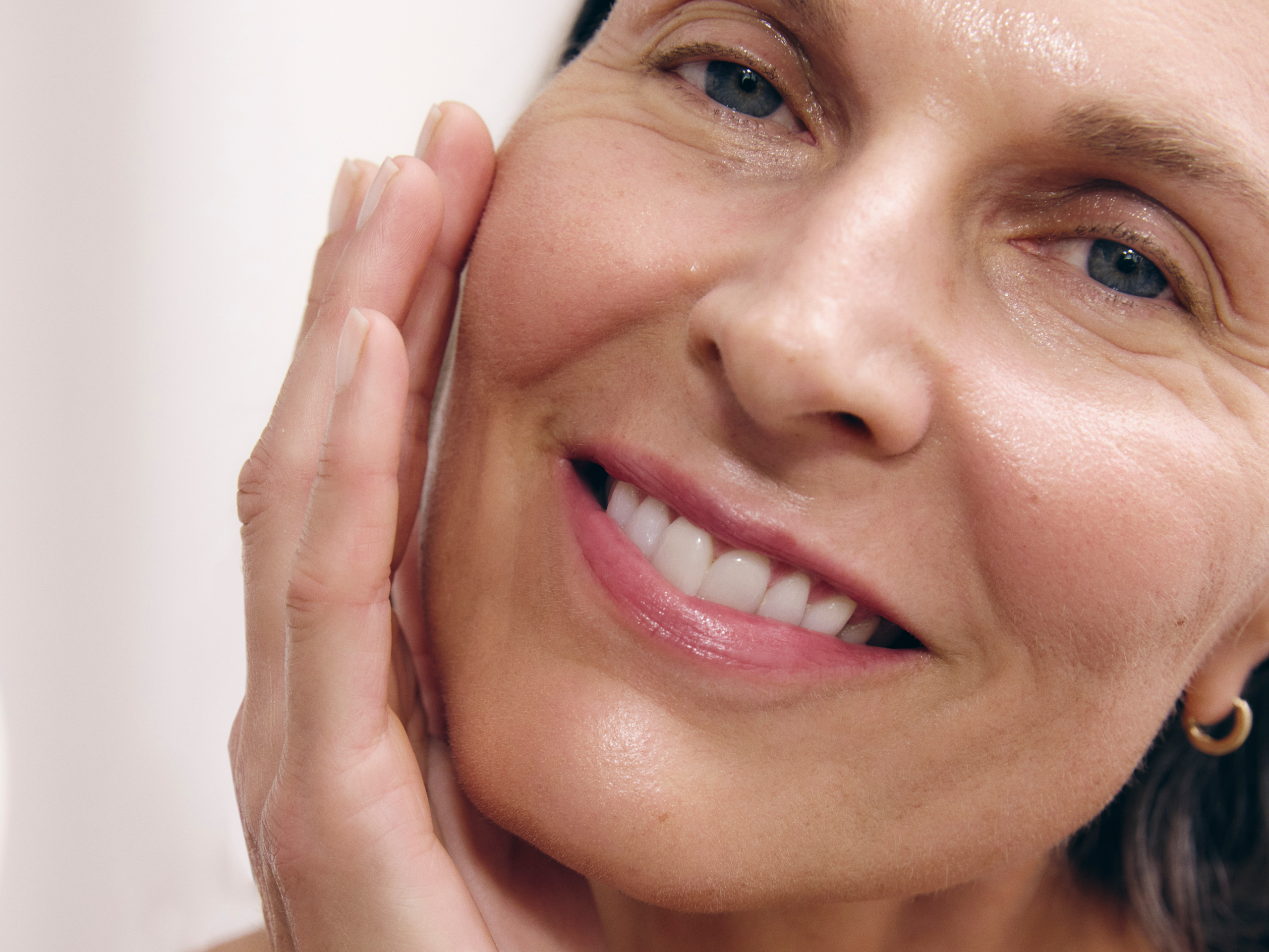






























Why Is My Skin So Dry in Winter? Understanding Your Skin Barrier
Estimated reading time: 5 minutes
Have you ever noticed that as soon as winter arrives, your skin suddenly feels tighter, drier or more sensitive? Perhaps your usual moisturiser no longer seems to do the job, or products you’ve used for months suddenly start stinging. You’re not imagining it. Colder temperatures, low humidity, and indoor heating can all affect how well your skin retains moisture. But understanding why this happens starts with something you may have heard of: your skin barrier.
Why Does Skin Get Drier in Winter?
Winter air tends to hold less moisture, which can increase water loss from the skin and leave it feeling dry, tight and uncomfortable. As the temperatures drop, we rely more on central heating to keep us warm, which reduces humidity indoors and further dehydrates the skin.
We become more tempted by hot showers and baths, which, although comforting, can strip the skin of its natural oils, leaving it dry and irritated. Outside the cold temperatures and wind can disrupt the skin’s surface, sometimes leading to redness, sensitivity, and rough texture.
Together, these environmental factors can place additional stress on your skin barrier, making it more vulnerable to dryness and irritation. Using harsh cleansers, exfoliating too often or using too many active ingredients can weaken the skin’s protective barrier. You might also find that products you used that worked perfectly during the warmer months may not provide enough hydration or protection during the winter.
What is the skin barrier, and why is it so important?
Your skin barrier is like your skin’s protective shield. The stratum corneum is the outermost layer of the skin and helps to protect you from external irritants while keeping essential moisture in. This layer is made up of skin cells and lipids. Imagine your skin to be like a brick wall: the cells are the bricks, while lipids (such as ceramides, cholesterol and fatty acids) act as the mortar holding it all together. This helps to regulate transepidermal water loss (TEWL), which is the natural process of water evaporating through the skin. When the skin barrier is weakened, more water can escape, contributing to dryness and dehydration. A healthy skin barrier also helps protect against environmental irritants and pollutants that may contribute to sensitivity. When the skin barrier is functioning well, your skin is more comfortable and resilient, generally better at retaining moisture and tolerating everyday environmental challenges.
What Are the Signs of a Damaged Skin Barrier?
When your skin barrier is compromised, you may notice increased dryness and dehydration. This is because water can escape more easily, leaving skin feeling tight, flaky or rough. Dry skin and dehydrated skin are not exactly the same. You may also experience increased sensitivity, meaning products that previously felt comfortable may suddenly sting, burn or itch. Your skin is more likely to experience redness and inflammation, appearing flushed, irritated, or uncomfortable. The texture may feel rough and even flaky. You may start to get a feeling of tightness after cleansing, meaning your routine may be too harsh or drying. A weakened barrier can make it harder for the skin to tolerate environmental changes and certain skincare ingredients.
Dry Skin vs Dehydrated Skin: What’s the Difference?
Dry skin is generally associated with reduced natural oils and an impaired ability to retain moisture, whereas dehydrated skin refers to a lack of water within the skin. It’s possible to experience both at the same time.
How Can You Protect Your Skin Barrier in Winter?
Making a few simple changes to your skincare routine can help support your skin barrier during winter. Start by switching to a gentle, fragrance-free cleanser that removes dirt and sunscreen without leaving your skin feeling tight. Using a richer moisturiser, such as a cream rather than a lightweight lotion, can help prevent your skin from feeling dry or uncomfortable. Look out for barrier-supporting ingredients that will help replenish moisture and support the skin’s natural protective function.
Best Ingredients to Support Your Skin Barrier in Winter
- Ceramides: Replenishing Skin Barrier Lipids
Ceramides help replenish the lipids naturally found within the skin barrier, supporting its protective function and reducing excessive moisture loss.
- Glycerin and Hyaluronic Acid: Attracting and Retaining Moisture
These humectants attract and retain water, helping skin feel hydrated and comfortable.
- Squalane and Emollients: Softening Dry, Rough Skin
Squalane and other emollients help soften rough skin, leaving it feeling smoother and more comfortable.
- Petrolatum and Occlusives: Helping Prevent Moisture Loss
Occlusive ingredients, such as petrolatum, form a protective layer over the skin that helps slow water loss. They can be particularly beneficial for very dry areas.
Simple Winter Skincare Habits to Prevent Dryness
Other ways to support your skin barrier are keeping showers and face washing lukewarm, then gently pat the skin dry rather than rubbing. Moisturise your skin while it’s still slightly damp. This helps to trap water in the skin. Cut back on exfoliating with scrubs, acids or potentially irritating actives if your skin is feeling dry and irritated. Continue using a broad-spectrum SPF 30 or higher throughout winter, as UV radiation can still affect your skin during colder months. Finally, consider your environment. If indoor heating is making your home dry, investing in a humidifier may help to increase the moisture in the air.
5 Common Winter Skincare Myths, Explained
- “Oily skin cannot be dehydrated.”
Oily skin can still lack water, so hydration is important for all skin types.
- “If my skin tingles, the product must be working.”
Stinging or burning can indicate irritation, particularly when the skin barrier is compromised.
- “I need to exfoliate away all the dry skin.”
Over-exfoliating can worsen dryness and irritation. Gentle hydration and barrier support are often more helpful.
- “I only need SPF in summer.”
UV rays can affect your skin year-round, including during colder months.
- “Drinking more water will fix my dry skin.”
Staying hydrated is important for general health, but drinking extra water alone will not necessarily resolve dry skin. Your topical skincare routine and environment also matter.
When Should You Seek Professional Advice for Dry Skin?
Persistent itching, cracking, bleeding, significant inflammation or symptoms that don’t improve with gentle skincare warrant medical assessment. Winter dryness can sometimes overlap with conditions such as eczema or contact dermatitis.
How to Keep Your Skin Barrier Healthy This Winter
Winter dryness isn’t simply about needing a heavier moisturiser. It’s also about understanding how your skin barrier works and what it needs to stay healthy. By choosing gentle cleansers, using barrier-supporting ingredients and moisturising consistently, you can help your skin feel more comfortable throughout the colder months. Healthy skin starts with a supported skin barrier. Rather than overloading your routine with more products, focus on protecting, replenishing, and maintaining your skin’s natural defences.
If you’re unsure whether your skin is simply experiencing seasonal dryness or showing signs of a compromised skin barrier, seeking professional skincare advice can help you understand what your skin needs. A personalised approach can make all the difference, particularly when your usual routine no longer seems to be working.
Sarah,
Aesthetic Therapist