






























face/body/skin Condition
Keloid Scars
Keloid scars are raised areas of scar tissue that develop when the skin produces excess collagen during healing. Unlike hypertrophic scars, keloids can extend beyond the boundaries of the original wound. They may appear smooth or shiny and can cause itching, tenderness or discomfort. Some people are more prone to developing keloid scars than others.
Keloid scars develop because of an overproduction of collagen during the wound healing process, anyone can develop keloid scarring. It is still not understood why this happens and why darker skins are more prone to this happening. Keloid scars have a raised lumpy appearance that feel thicker than a normal scar. They can appear pink, red, purple or darker than the surrounding skin, but usually lighten over time. The most common areas for keloid scars to develop are the upper torso, face and neck but can appear anywhere.
Keloid scars are usually:
- Shiny
- Hairless
- Raised above surrounding skin
- Hard and rubbery
- Red or purple at first, before becoming brown or pale
They can last for years and sometimes do not form until months or years after the initial injury.
Keloid scars are usually painless, but some can cause:
- Pain
- Tenderness
- Itchiness
- A burning feeling
- Limited movement if located on a joint
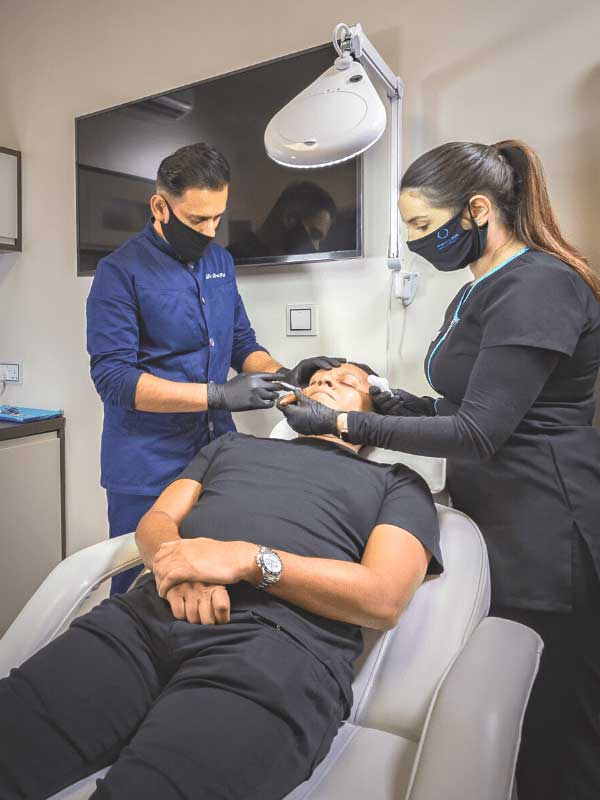
Why have your Keloid Scars treated at Perfect Skin Solutions?
At Perfect Skin Solutions in Southsea, Portsmouth, we offer steroid injections for suitable keloid scars. These treatments may help flatten raised scar tissue and relieve symptoms such as itching or discomfort, although results vary and keloids can recur.
Our doctors assess the scar’s size, location and characteristics before discussing whether treatment is appropriate. We provide clear guidance on the potential benefits, limitations and expected outcomes, helping patients make informed decisions about their skin.
Get in contact