






























body Condition
Excess Sweating (Hyperhidrosis)
Hyperhidrosis is a medical condition characterised by excessive sweating beyond what the body needs to regulate its temperature. It may affect specific areas, such as the underarms, hands, feet or face, or involve more widespread sweating. For some people, it can cause discomfort, embarrassment and disruption to everyday activities.
Understanding Hyperhidrosis and Its Treatment Options
Understanding Hyperhidrosis: More Than Just Excessive Sweating
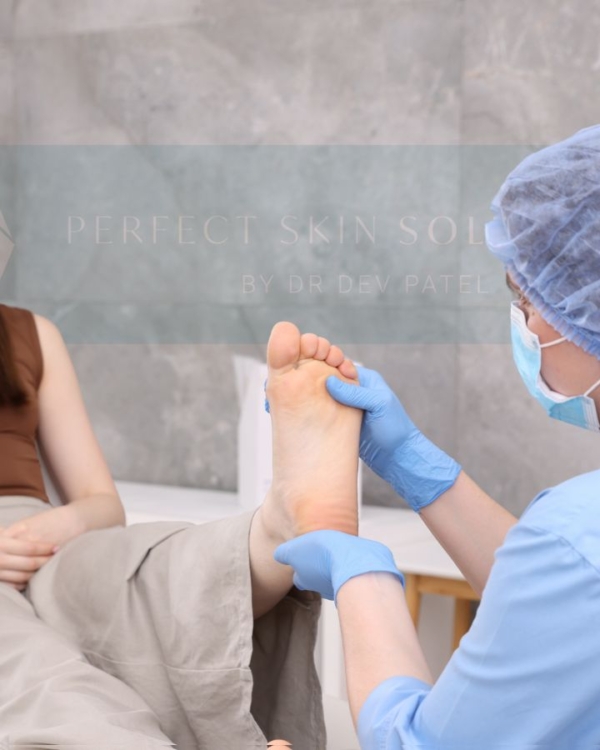
Excessive sweating can occur without an obvious trigger and may affect the underarms, palms, soles of the feet or other areas. Primary focal hyperhidrosis typically affects particular areas of the body, while secondary hyperhidrosis may be associated with an underlying medical condition or medication.
Because the causes and severity of excessive sweating vary, an appropriate assessment is important before considering treatment. At Perfect Skin Solutions, we take an individual approach to understanding your symptoms, discussing available management options and explaining the potential benefits and limitations of treatment.
What is Hyperhidrosis?
Hyperhidrosis is a medical condition characterized by excessive sweating, which can affect various parts of the body, including the underarms, palms, soles, and face. It is estimated that approximately 3% of the population suffers from hyperhidrosis, making it a relatively common condition. Hyperhidrosis can be classified into two main types: primary and secondary. Primary hyperhidrosis is the most common type and is not caused by any underlying medical condition, while secondary hyperhidrosis is caused by an underlying medical condition, such as hyperthyroidism or diabetes.
Hyperhidrosis Treatment
Treatments for hyperhidrosis include aluminium deodorants, or even sweat gland removal, depending on the severity of the condition.
Types of Hyperhidrosis: Primary Focal Hyperhidrosis
1. Primary Focal Hyperhidrosis: This type typically affects specific body parts such as:
– Armpits (axillary hyperhidrosis)
– Palms
– Soles of feet
– Face
2. Secondary Hyperhidrosis: This type affects the whole body and is often caused by an underlying medical condition or medication.
Symptoms and Complications
The symptoms of hyperhidrosis can vary depending on the type and severity of the condition. Common symptoms include excessive sweating, skin irritation, and compensatory sweating (excessive sweating in other areas of the body). In severe cases, hyperhidrosis can lead to emotional distress, anxiety disorders, and depression. The condition can also impact daily life, causing individuals to avoid social situations, change their daily routines, and experience embarrassment and self-consciousness.
Impact on Quality of Life and Mental Health
Hyperhidrosis can have a profound effect on an individual’s quality of life, influencing:
- Career choices
- Recreational activities
- Relationships
- Emotional well-being
- Self-image
- Mental health
Many people with hyperhidrosis find the condition embarrassing and may avoid certain social situations as a result. Excessive underarm sweating can lead to social embarrassment and significantly affect quality of life. It can restrict clothing choices and even lead to skin irritation or infections if not properly managed.
Causes and Triggers
Hyperhidrosis occurs when sweat glands become overactive. Eccrine glands produce sweat in response to various triggers, such as heat or emotions, and this process can become overactive in conditions like hyperhidrosis. While the exact cause isn’t always clear, several factors can trigger or exacerbate sweating:
- Stress and anxiety
- Heat and humidity
- Physical activity
- Spicy foods
- Drinking alcohol
- Certain medications
- Low blood sugar
- Hormonal changes
Diagnosis and Treatment Options.
Diagnosing hyperhidrosis typically involves:
- A thorough medical history
- Physical examination
- Possibly specific tests to measure sweat production
Treatment Options:
Endoscopic Thoracic Sympathectomy (ETS)
- ETS is a surgical procedure used to treat excessive sweating, particularly in severe cases affecting the palms or armpits
Medical Interventions
- Various medical interventions are used to treat hyperhidrosis, such as prescription antiperspirants and anticholinergics
Personalized Treatment Approaches
- It is important to identify any underlying causes before treating hyperhidrosis, emphasizing the need for personalized treatment approaches
Managing Hyperhidrosis in Daily Life
While seeking professional treatment, individuals can also take steps to manage their condition:
– Use moisture-wicking clothing to absorb sweat
– Apply antiperspirants at night for better absorption
– Avoid triggers like spicy foods and alcohol
– Practice stress-reduction techniques
– Use absorbent materials like armpit shields
Choosing the Best Solution for Hyperhidrosis
Treatment options for hyperhidrosis varies depending on the severity of the condition, the areas affected, and individual response to treatments. It’s essential to consult with a healthcare professional to develop a personalized treatment plan. At Perfect Skin Solutions in Southsea, we offer comprehensive evaluations and a range of treatment options to help manage hyperhidrosis effectively.
Remember, while hyperhidrosis can be challenging, with proper treatment and management, many individuals find significant relief and improvement in their quality of life. Don’t hesitate to seek help if excessive sweating is affecting your daily activities or well-being.
Coping with Emotional Impact
Living with hyperhidrosis can be challenging, and it’s essential to address the emotional impact of the condition. Here are some tips to help cope with the emotional effects of hyperhidrosis:
- Seek support: Talk to a healthcare provider, counselor, or medical social worker about your feelings and concerns. Sharing your experiences with others who understand can be incredibly helpful.
- Practice relaxation techniques: Deep breathing, meditation, and yoga can help reduce stress and anxiety.
- Join a support group: Connecting with others who have hyperhidrosis can provide a sense of community and understanding.
- Focus on self-care: Engage in activities that bring you joy and help you relax, such as reading, listening to music, or taking a warm bath.
- Consider therapy: Cognitive-behavioral therapy (CBT) and antidepressant medications can help manage anxiety disorders and depression.
Remember, hyperhidrosis is a treatable condition, and there are various treatment options available. By addressing the emotional impact of hyperhidrosis and seeking treatment, individuals can improve their quality of life and reduce the symptoms of the condition.
At Perfect Skin Solutions in Portsmouth, our doctor-led team offers personalised assessments for patients concerned about excessive sweating, helping identify suitable management and treatment options based on their symptoms and medical history.
Why have your Excess Sweating (Hyperhidrosis) treated at Perfect Skin Solutions?
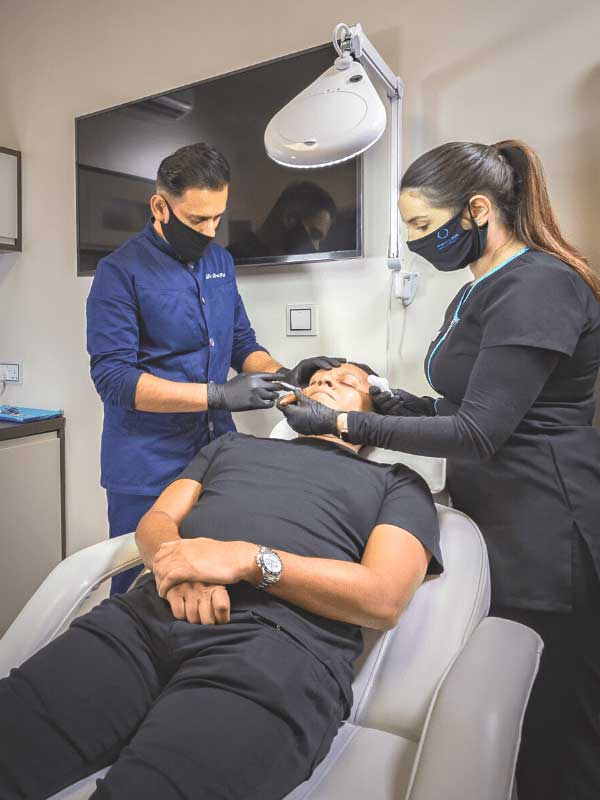
We are a Doctor-led medical clinic, that can help you achieve the results that you desire in a comfortable friendly environment. We can assure you that you will feel safe and at ease from the very first moment you walk through the door and our experienced Doctors are experts in their field so you can feel reassured that your hyperhidrosis treatment is carried out safely and effectively.
Get in contact