






























face/body/skin Condition
Crepey Skin
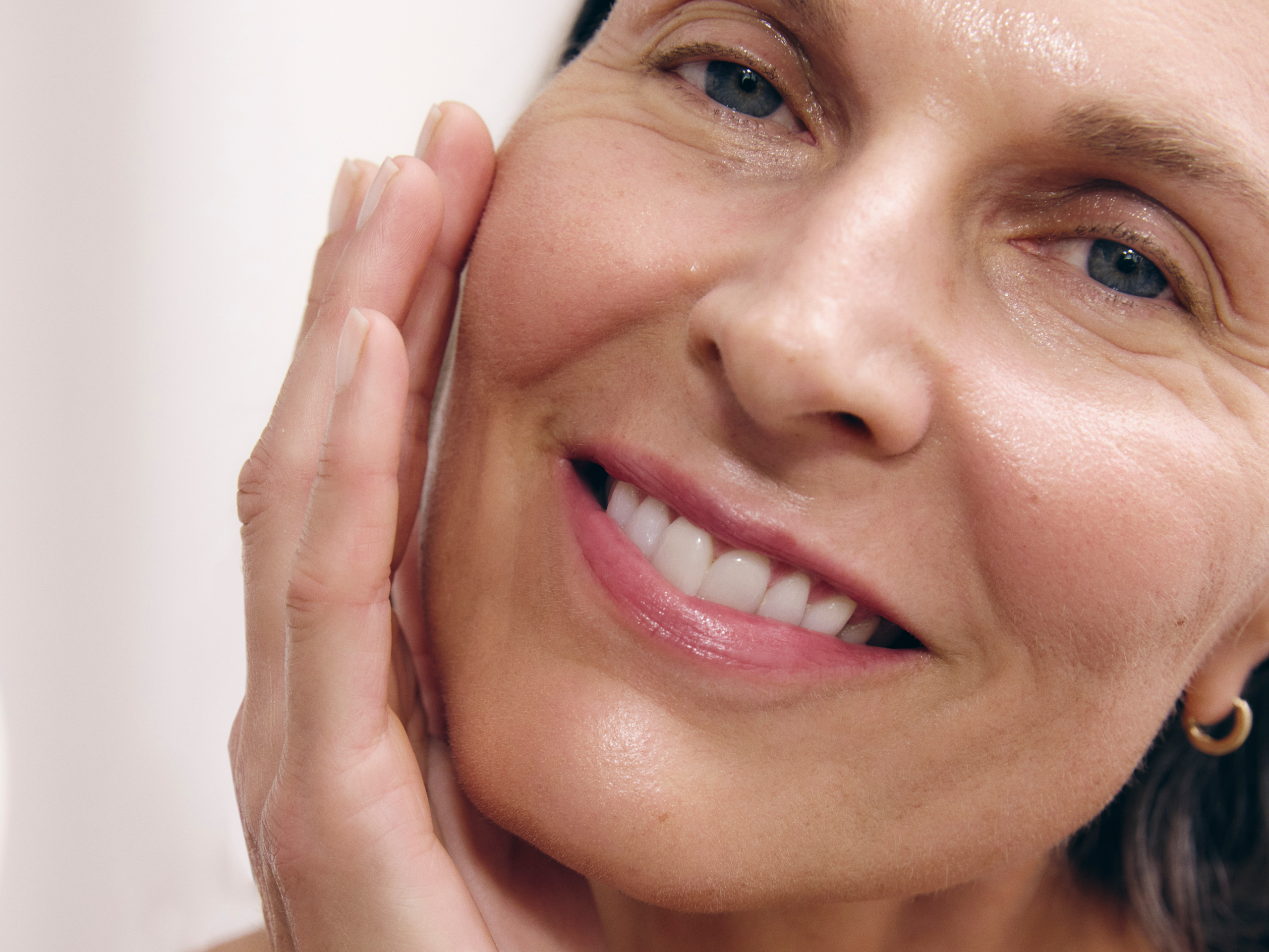
Crepey skin describes skin that appears thin, finely wrinkled or less firm, often developing on the face, neck, arms and other areas of the body. Changes in collagen, elastin, hydration and cumulative sun exposure can all contribute to its appearance.
What is Crepey Skin?
Crepey skin is a common skin concern characterized by a thin, wrinkled, and loose appearance, often resembling the texture of crepe paper. It can occur anywhere on the body, but it is most commonly noticed on the arms, neck, chest, and under the eyes. Crepey skin is often associated with aging, but it can also be caused by sun damage, smoking, and genetics. As we age, our skin’s natural ability to produce collagen and elastin, the proteins responsible for maintaining skin elasticity and firmness, slows down, leading to the development of crepey skin.
Causes of Crepey Skin
Sun damage: The primary culprit for crepey skin is sun exposure. UV rays break down collagen and elastin, leading to premature skin aging. They also damage the DNA of skin cells, which can result in further skin degradation and the development of crepey skin.
Other factors include:
- Aging
- Lack of moisture
- Significant weight loss
- Environmental factors
- Decreased collagen and elastin production
Prevention and Treatment with Hyaluronic Acid
Preventing crepey skin is easier than treating it, making early intervention crucial. Here are some effective strategies:
Sun protection: Always apply a broad-spectrum sunscreen with at least SPF 30 to protect against harmful UV rays.
Hydration: Use hyaluronic acid-based serums to keep skin hydrated. Hyaluronic acid can hold up to 1000 times its weight in water.
Moisturization: Apply a good moisturizer daily to maintain skin barrier function. Look for products containing glycerin, hyaluronic acid, or ceramides.
Topical treatments:
- Retinoids can stimulate collagen production and improve skin texture.
- Alpha hydroxy acids (AHAs) like glycolic acid can exfoliate and improve skin appearance.
In addition to these topical treatments, professional interventions like laser treatments and surgical options can effectively treat crepey skin by improving skin elasticity and appearance.
Healthy lifestyle: Maintain a balanced diet rich in antioxidants and stay hydrated.
Hydration and Skin Elasticity
Hydration plays a crucial role in maintaining skin elasticity and preventing crepey skin. When the skin is hydrated, it appears plumper and more radiant, reducing the appearance of fine lines and wrinkles. Hyaluronic acid, a naturally occurring humectant, can help attract and retain moisture in the skin, leaving it feeling soft and supple. Using a moisturizer containing hyaluronic acid can help improve skin elasticity and reduce the appearance of crepey skin.
Nutrition and Lifestyle
A healthy diet rich in antioxidants, vitamins, and minerals can help improve skin health and reduce the appearance of crepey skin. Foods high in omega-3 fatty acids, such as salmon and walnuts, can help reduce inflammation and promote healthy skin. A diet rich in fruits, vegetables, and whole grains can also help support skin health. In addition to a healthy diet, a lifestyle that includes regular exercise, adequate sleep, and stress management can also help improve skin quality and prevent crepey skin.
Skin Care Routine
A consistent skin care routine can help improve the appearance of crepey skin. Using a gentle cleanser and a moisturizer containing hyaluronic acid, retinol, or alpha hydroxy acids can help improve skin texture and reduce the appearance of fine lines and wrinkles. Exfoliating regularly can also help improve skin texture and promote collagen production. In addition to a consistent skin care routine, protecting the skin from the sun by using a broad-spectrum sunscreen with at least SPF 30 can help prevent premature skin aging and reduce the appearance of crepey skin.
Advanced Treatments: Fractional Laser Skin Resurfacing
At Perfect Skin Solutions, we offer a range of treatments to address crepey skin:
Fractional laser skin resurfacing: This procedure improves skin elasticity and firmness by stimulating collagen production.
Chemical peels: These can help exfoliate the skin and promote cell turnover.
Dermal fillers: Products like Sculptra Aesthetic and Radiesse can stimulate collagen production and smooth wrinkles.
Ultrasound (Sofwave): This skin-tightening procedure uses targeted ultrasound to stimulate collagen growth.
Why Choose Perfect Skin Solutions? Stimulate Collagen Production
At Perfect Skin Solutions, we offer a comprehensive approach to treating crepey skin:
1. Personalized treatment plans
2. Both therapist-led and doctor-led treatments
3. State-of-the-art devices and techniques
4. Safe and comfortable environment
5. Focus on natural-looking results
Our experienced team will guide you through each stage of your treatment journey, providing personalised advice and realistic expectations to help you make informed decisions about your skin health.
Remember, while crepey skin affects many people, its progression can be significantly slowed with proper care and targeted treatments. Early intervention and consistent skincare practices are key to maintaining youthful, healthy-looking skin.
At Perfect Skin Solutions in Portsmouth, we assess your skin’s condition and discuss personalised skincare and treatment options to help address concerns about skin texture, firmness and overall skin health.
Why have your Crepey Skin treated at Perfect Skin Solutions?
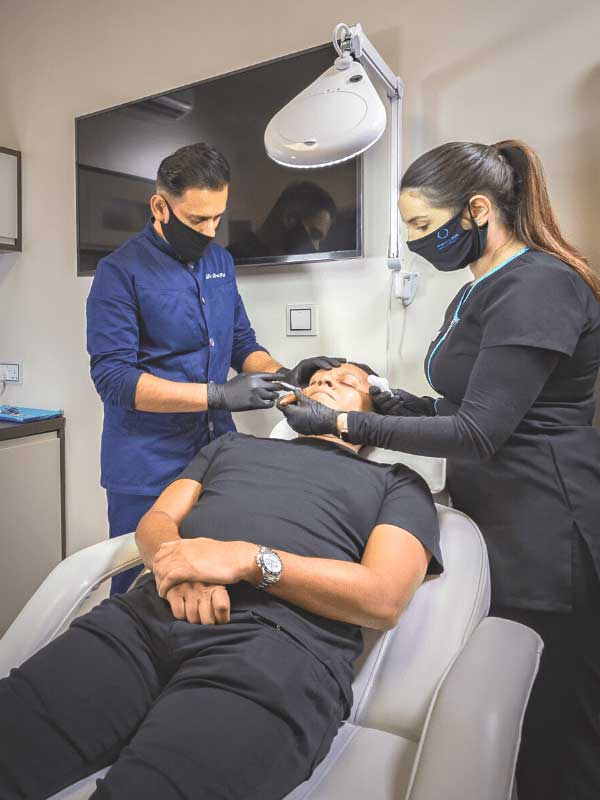
At Perfect Skin Solutions in Portsmouth, our doctor-led team takes a personalised approach to concerns about crepey skin. We assess factors such as skin texture, hydration and elasticity before discussing suitable skincare and treatment options. With access to advanced technologies and both therapist-led and doctor-led treatments, we focus on helping patients make informed decisions about their long-term skin health, including understanding the potential benefits and limitations of each approach.
Get in contact