





























Perimenopause and Menopause Skin Changes: What Really Helps?
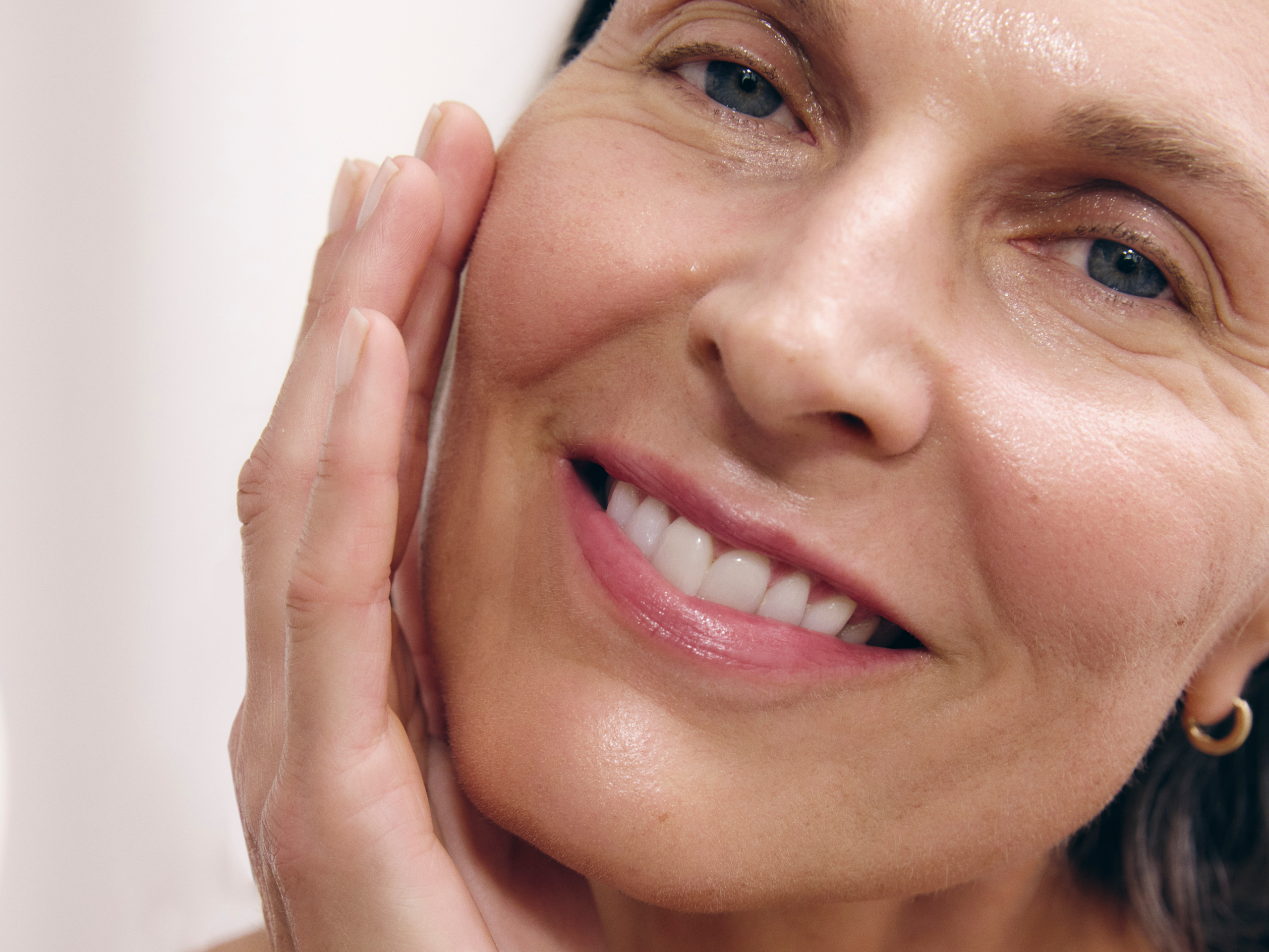
If your skin has started to feel drier, look duller, become more sensitive or break out in places you haven’t seen spots for years, you’re not imagining it. And no, you haven’t suddenly forgotten how to look after your skin!
Perimenopause and menopause can bring surprising changes, even if your complexion has been fairly predictable for years. Products that once worked beautifully may suddenly feel too harsh, your favourite moisturiser may no longer be enough, and fine lines can seem more noticeable.
How Do Perimenopause and Menopause Affect Your Skin?
As hormones fluctuate during perimenopause and decline through menopause, particularly oestrogen, they influence how our skin retains moisture, produces oil, maintains its protective barrier and builds collagen.
The good news? Although we can’t stop these natural changes, we can support our skin with a few thoughtful adjustments. The key is understanding what your skin needs now.
1. Dry Skin During Menopause: Why It Happens and How to Restore Hydration
One of the most common changes is skin that feels tight, rough, flaky or uncomfortable. Your complexion may look less plump, and makeup might settle into dry patches that were never a problem before.
Oestrogen supports skin hydration, elasticity and barrier function. As levels decline, the skin can become less effective at retaining moisture, while changes in oil production may contribute to dryness.
What really helps?
Focus on supporting your skin barrier, the protective outer layer that helps keep moisture in and irritants out.
Look for moisturisers containing ceramides and hyaluronic acid. Ceramides help maintain the skin’s protective barrier, while hyaluronic acid attracts and holds water to improve hydration. Glycerin and squalane are also useful ingredients.
Keep your routine simple: choose a gentle cleanser, apply moisturiser while your skin is slightly damp, and use a richer cream if dryness persists. Avoid excessively hot water, which can make dryness worse.
You don’t necessarily need more products; you may simply need products that help your skin hold on to moisture.
2. Menopause Skin Sensitivity and Redness: How to Calm Irritated Skin
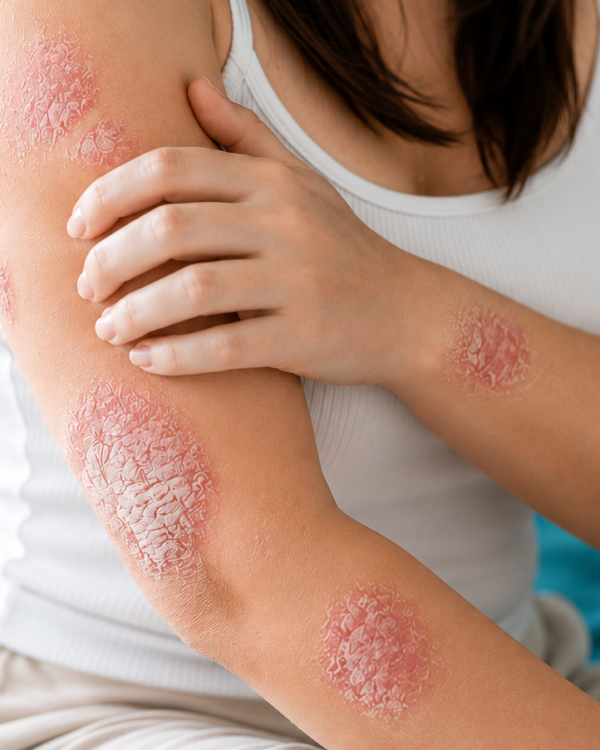
Have products you’ve used for years suddenly started causing stinging, redness or irritation? Hormonal changes can affect the skin barrier, making skin more vulnerable to irritation. Conditions such as rosacea and eczema may also become more noticeable.
What really helps?
This is the time to simplify your routine.
If you’re using several exfoliating acids, retinoids or other active ingredients, consider reducing how often you apply them. Too many powerful products can aggravate sensitive skin.
Prioritise gentle cleansing, moisturising and daily sun protection. Choose fragrance-free products where possible, and introduce new ingredients gradually, one at a time.
If your skin feels sore or reactive, pause potentially irritating products until it settles. There’s no need to push through discomfort in pursuit of results.
Remember, healthy, comfortable skin is a much better starting point than a complicated routine that leaves your face red and unhappy. If irritation persists, seek advice from a professional.
3. Hormonal Acne During Perimenopause: Why Breakouts Return and What Helps
Just when you thought your teenage acne days were behind you, those familiar spots can make an unwelcome comeback.
Hormonal changes can influence oil production and contribute to breakouts, which often appear around the chin, jawline and lower face. You may notice deeper, more inflamed spots or breakouts that seem to follow a monthly pattern during perimenopause.
What really helps?
Resist the temptation to attack every spot with harsh scrubs and strong acne products. Over-cleansing and excessive exfoliation can worsen irritation.
A gentle cleanser and a non-comedogenic moisturiser provide a good foundation. Salicylic acid may help unclog pores, but introduce it cautiously if your skin is also dry or sensitive.
If breakouts are persistent, painful or causing scarring, speak to your GP or a dermatologist about suitable treatments.
Remember, menopausal skin can be both oily and dehydrated. You don’t need to strip away every trace of oil to manage breakouts. Your skin still needs moisture and barrier support.
4. Collagen Loss During Menopause: Understanding Fine Lines, Wrinkles and Skin Texture
Perhaps one of the most noticeable changes is skin that looks less firm, feels thinner or has lost some of its natural bounce.
Collagen is a structural protein that helps give skin its strength and firmness. As we age, collagen production naturally declines, and hormonal changes during menopause can accelerate this process.
Research suggests that women may lose up to around 30% of skin collagen during the first five years after menopause, although estimates vary. This is a cumulative change over several years, not a loss of 30% in a single year.
As collagen declines, fine lines may become more prominent, wrinkles more noticeable and skin less resilient.
What really helps?
Daily sun protection is one of the most important steps you can take to protect existing collagen. Choose a broad-spectrum SPF 30–50 and apply it every day, even when it’s cloudy. UV exposure contributes to collagen breakdown and premature skin ageing.
Retinol can improve the appearance of fine lines, uneven texture and some signs of sun damage over time. However, it can cause dryness and irritation, so introduce it gradually and only when your skin barrier is comfortable.
Moisturisers containing ceramides, glycerin and hyaluronic acid help hydrate and temporarily plump the skin, making fine lines less noticeable. Vitamin C and peptides may also be useful additions, depending on your skin’s needs and tolerance.
Be realistic about results. Skincare can improve hydration, texture and the appearance of fine lines, but it cannot completely reverse hormonal changes or restore all the collagen lost with age.
Consistency matters far more than chasing the latest miracle ingredient.
5. What Is the Best Skincare Routine for Perimenopausal and Menopausal Skin?
One of the biggest mistakes we can make during perimenopause and menopause is assuming the routine we’ve used for years must still be right for us.
Your skin’s needs can change, and your routine should change with them.
A simple routine to get you started:
Morning Skincare Routine for Menopausal Skin
- Gentle cleanser, or rinse with water if your skin is very dry.
- Hydrating serum, if desired.
- Ceramide-rich moisturiser.
- Broad-spectrum SPF 30–50.
Evening Skincare Routine for Menopausal Skin
- Gentle cleanser to remove makeup and sunscreen.
- A suitable treatment, if needed and tolerated.
- A nourishing moisturiser to support your skin barrier overnight.
You don’t need every serum, exfoliating acid or anti-ageing ingredient on the market. Start with the basics, give your skin time to settle and introduce additional products only when there’s a clear reason to do so.
Adequate sleep, a balanced diet and not smoking can also support general skin health.
Supporting Healthy Skin Through Perimenopause and Menopause
Perimenopause and menopause can change how your skin looks and feels, but that doesn’t mean you have to accept constant dryness, discomfort or frustration.
If your skin feels tight, focus on hydration and barrier repair. If it’s red and reactive, simplify your routine. If breakouts return, choose targeted treatments without stripping away essential moisture. And if fine lines become more noticeable, protect your skin from the sun and focus on consistent, realistic care.
Above all, be patient with yourself and your skin. You haven’t done anything wrong, and you don’t need to fight every sign of ageing.
Your skin is changing because your body is changing. With the right support, you can help it feel more comfortable, look healthier and stay resilient through every stage of life.
 Dionne, Senior Aesthetic Therapist
Book Your Personalised Skin Consultation
Frequently Asked Questions About Menopause Skin Changes
Why Does Skin Become Drier During Menopause?
Declining oestrogen levels can affect how well skin retains moisture and maintains its protective barrier. Gentle cleansing and moisturisers containing ceramides, glycerin or hyaluronic acid may help skin feel more comfortable.
Can Perimenopause Cause Acne?
Yes. Hormonal fluctuations can affect oil production and contribute to breakouts, often around the chin and jawline. A gentle routine and carefully introduced treatments may help. Seek advice from your GP or a dermatologist if acne is painful, persistent or causing scarring.
How Can I Improve Skin Firmness During Menopause?
Daily broad-spectrum SPF 30-50 helps protect the skin from UV-related collagen damage. Retinol may improve the appearance of fine lines over time, but introduce it gradually, particularly if your skin is dry or sensitive.
Your Skin Is Changing. Let’s Find What Works for You.
Not sure what your skin needs during perimenopause or menopause? You don’t have to figure it all out on your own.
Our experienced therapists are here to listen to your concerns, understand your skin and help you discover a skincare approach tailored to your changing needs.
Ready to give your skin the care it deserves?
Book Your Personalised Skin Consultation
Let’s help you feel confident and comfortable in your skin, at every stage of life.